
The stereotype of the great salesperson — loud, relentless, always closing — has convinced a generation of introverted founders that they’re bad at sales. They’re not. They’re bad at pitching. And in high-ticket B2B, pitching is often the weakest way to sell. The traits introverts are told to overcome — listening, depth, patience — turn out to be the exact traits that close serious deals.
The Myth That Holds Introverts Back
Sales culture has long celebrated the extroverted archetype: the charismatic talker who dominates the room and pushes to a close. Introverted founders measure themselves against that image, conclude they don’t have it, and either avoid selling or force themselves into an uncomfortable performance that reads as inauthentic to buyers.
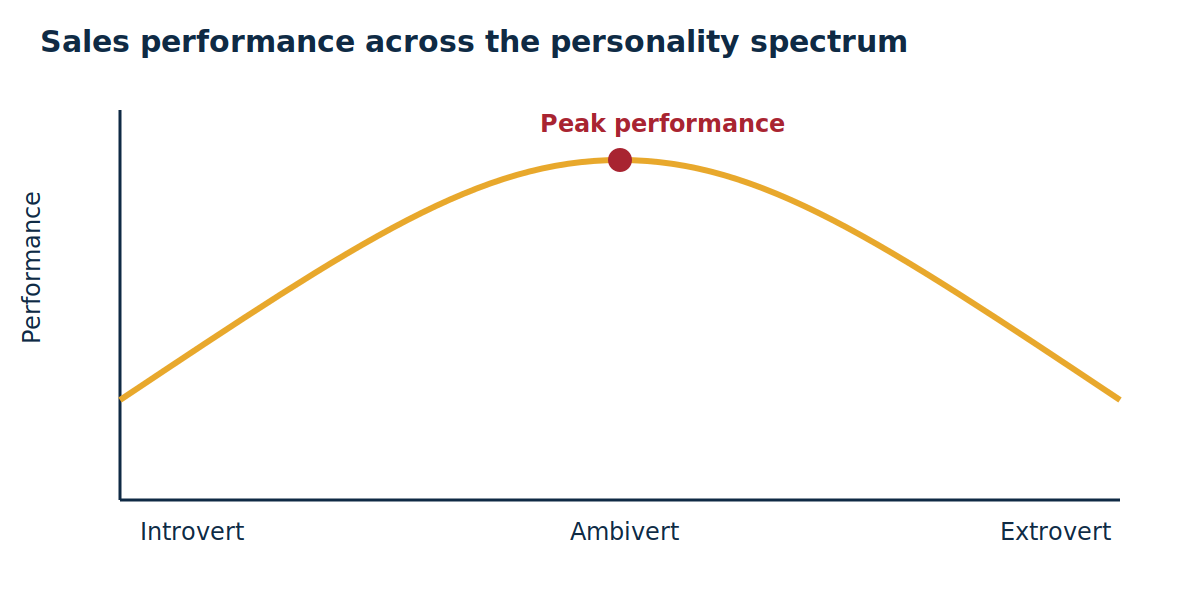
But the research on sales performance complicates the stereotype. Adam Grant’s well-known study on this found that neither strong extroverts nor strong introverts were the top performers — the highest sales results came from “ambiverts” in the middle, and, notably, that raw extroversion showed little correlation with sales success. The implication is liberating: you don’t need to become an extrovert to sell well. You need to sell in a way that fits how you actually operate.
Why “Selling Without Pitching” Works in B2B
High-ticket B2B decisions are considered, consultative, and trust-driven. The buyer isn’t looking to be dazzled; they’re looking to be understood and to reduce their risk. This is where introverted strengths become competitive advantages:
- Deep listening. The single most powerful sales skill isn’t talking — it’s asking sharp questions and genuinely hearing the answers. Introverts often do this naturally, while pitchers are busy waiting for their turn to talk.
- Diagnostic depth. Complex sales are won by the person who understands the problem best, not the one who describes their solution loudest. Introverts’ tendency toward analysis is an asset here.
- Authentic trust-building. Buyers can feel the difference between a performance and a real conversation. A calm, substantive exchange builds the trust that high-ticket decisions require.
- Patience with the process. Serious deals have long cycles. The introvert who nurtures the relationship without pushing often outlasts the aggressive closer who burns it out.
The Introvert’s Sales Framework
Selling without pitching isn’t passive — it’s a deliberate, structured approach that plays to your strengths:
- Prepare deeply. Introverts often shine with preparation. Research the prospect thoroughly so you walk in with insight, not a script. Preparation converts anxiety into confidence.
- Lead with questions. Open by understanding their situation, not describing your service. “What prompted you to look into this now?” learns more than any pitch could tell.
- Diagnose before you prescribe. Treat the sales conversation like a consultation. When you finally propose a solution, it’s tailored to what you’ve learned — and it lands as insight, not sales.
- Let the offer do the closing. A well-structured, value-based offer (with the outcome, proof, and risk reversal made clear) reduces the need for a hard close. The logic closes for you.
- Follow up with substance. Introverts excel at written, thoughtful communication. A precise, helpful follow-up often advances a deal more than any live pressure.
You don’t close high-ticket deals by talking someone into a yes. You close them by understanding the problem so well that yes becomes the obvious answer.
Reframing the Discomfort
Much of the introvert’s sales anxiety comes from believing sales means imposing on people. Reframe it: if you genuinely can help, then a conversation that explores whether you’re a fit is a service, not an imposition. You’re not pushing — you’re diagnosing. That reframe alone removes most of the discomfort, because it aligns selling with the consultative instinct introverts already have.
Your First Experiment
In your next sales conversation, set one rule for yourself: spend the first half asking questions and listening, and don’t describe your offer until you deeply understand their problem. Notice how the dynamic shifts — from you performing to them opening up. Most introverted founders find this version of selling not only more effective, but genuinely comfortable, because it’s finally built on how they actually think.
Sources & Further Reading
- Adam Grant, “Rethinking the Extraverted Sales Ideal: The Ambivert Advantage,” Psychological Science — on personality and sales performance.
- Susan Cain, Quiet: The Power of Introverts — on introvert strengths in professional settings.
- Harvard Business Review on consultative and insight-based selling (hbr.org).